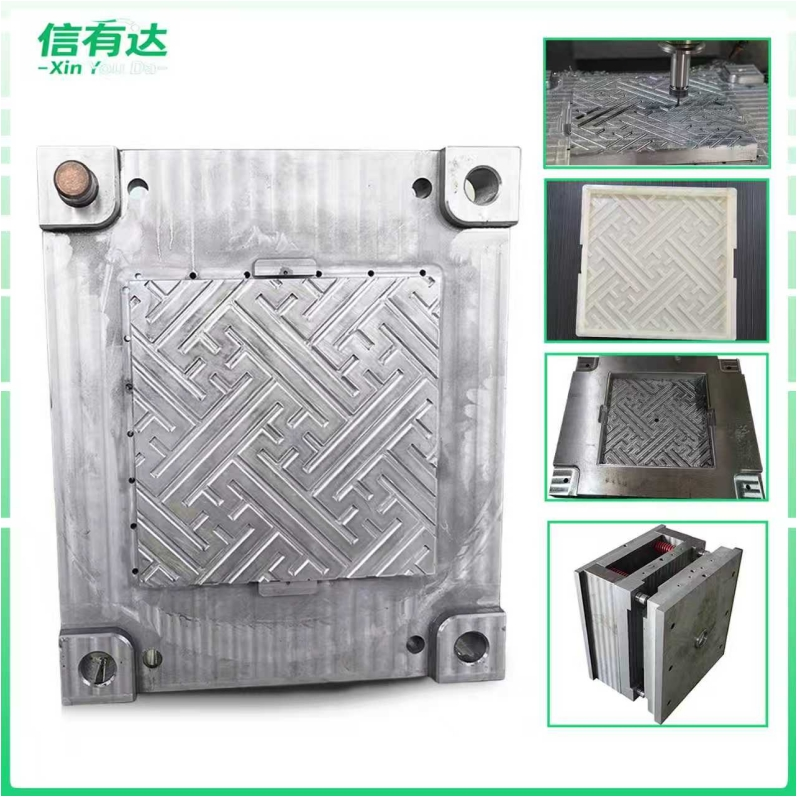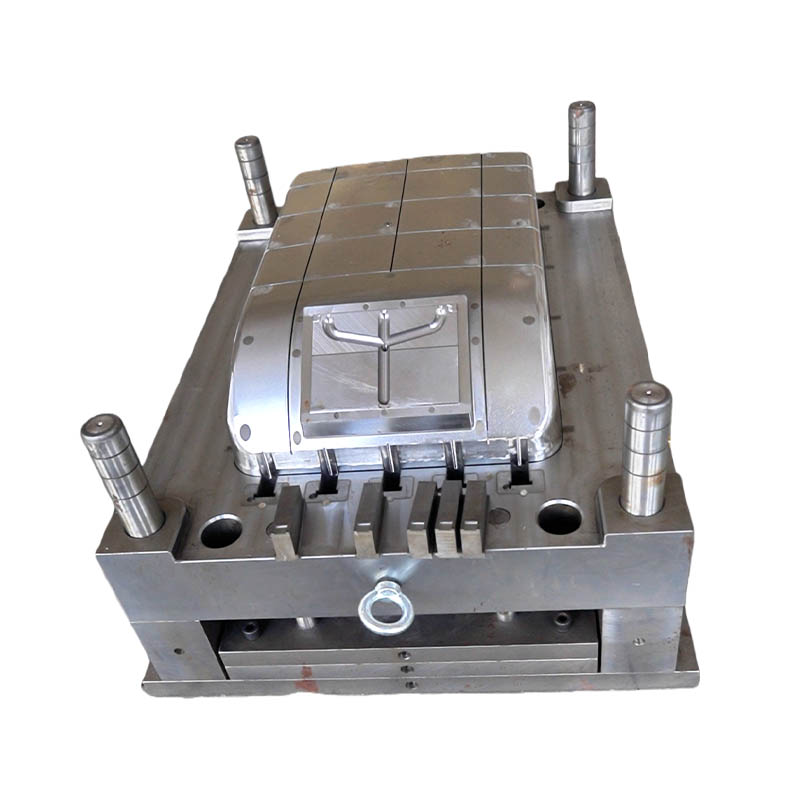
As an important tool in modern manufacturing, injection molds demonstrate significant technological advantages in achieving product lightweighting and structural integration.
In high-frequency plugging and unplugging scenarios, the data cable cross skeleton often bears repeated bending, tensile, and torsional loads, making it the area most prone to damage and failure.
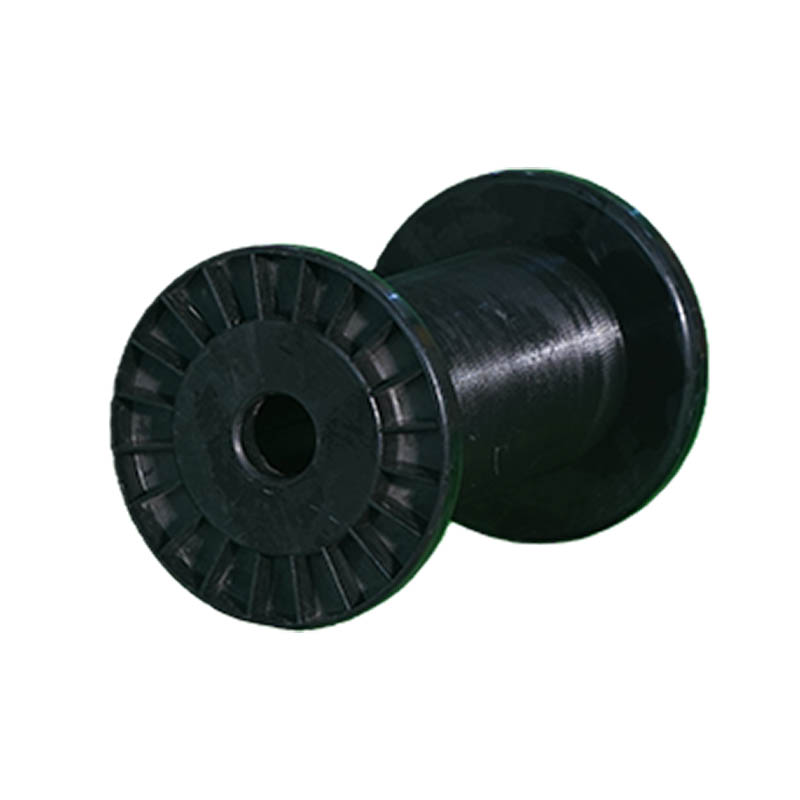
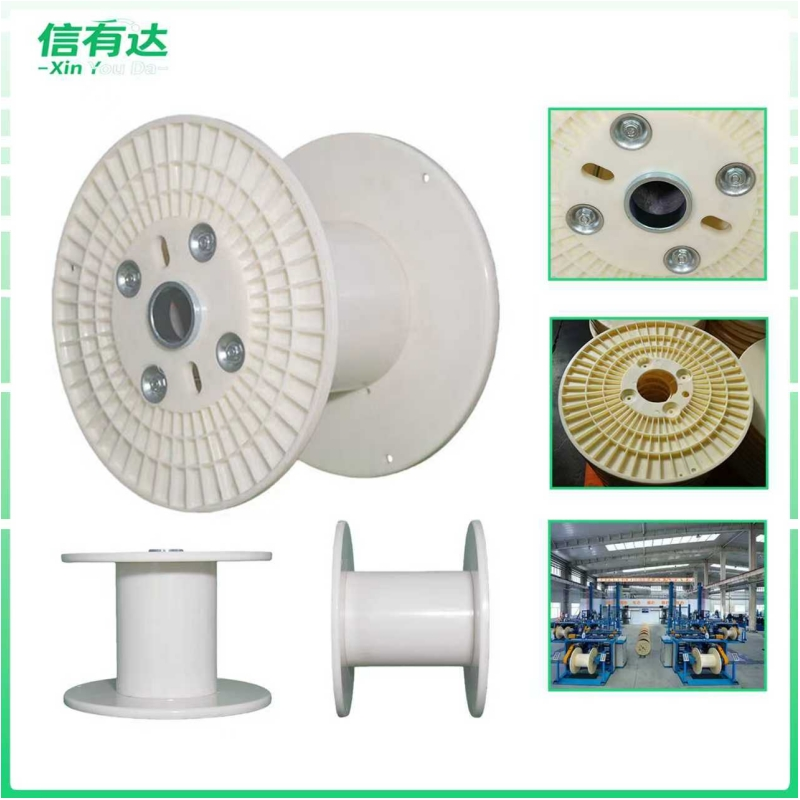
Different application scenarios have different performance requirements for cable reels. For example, port equipment requires a high level of protection, while indoor logistics systems focus more on lightweight design.
A lubricating coating can be added to the surface of the skeleton to reduce friction with the wire core and prevent the insulation layer from being worn due to repeated bending.
The winding groove should have a suitable width and depth to accurately accommodate the cable and provide it with stable support.
In the process of customizing a data cable cross skeleton, designing the skeleton layout according to the transmission rate requirements is the core step to ensure signal integrity and system stability.